The Question
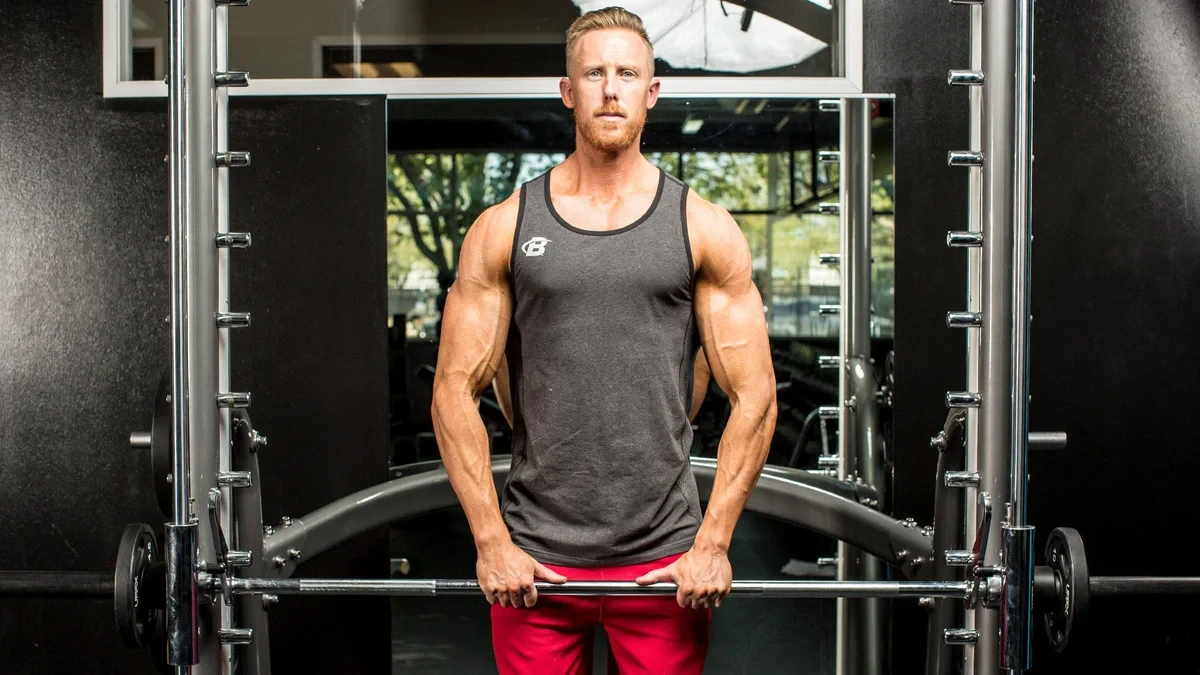
For individuals who built sufficient muscle over the winter, achieving a lean, "cut" physique for summer is a priority. Key questions include:
What is the most effective workout for getting cut? Be specific.
What results can one expect from this type of workout?
What are the drawbacks of this workout approach?
Bonus: Do you typically cut for summer? If so, when do you start?
Winners & Prizes
1st Place: ho_124 (75 store credit)
2nd Place: Veeshmack (50 store credit)
3rd Place: gigolojo
1st Place – ho_124
Introduction
As summer approaches, a lean physique is a top goal for many—whether you’ve been bulking or need to shed stubborn fat. The priority during cutting is fat loss with minimal muscle retention, as caloric surplus (for muscle gain) and deficit (for fat loss) are mutually exclusive (with rare exceptions). Focus solely on fat loss; simultaneous "recomposition" (muscle gain + fat loss) is not feasible for most.
What Is the Best Workout to Get Cut?
The optimal cutting program integrates cardio (to burn calories) and resistance training (to preserve muscle and boost metabolic rate). Below is a structured breakdown:
Cardio Component
Cardio is non-negotiable for fat loss, but the type (HIIT vs. low-intensity steady state, LISS) depends on fitness level and goals.
Option 1: High-Intensity Interval Training (HIIT)
HIIT is a time-efficient (15–20 minutes) method that alternates moderate-intensity intervals with maximal-effort bursts. It outperforms LISS for post-exercise oxygen consumption (EPOC), meaning you burn more calories after the workout.
Structure:
Warm-up: 5 minutes (light jogging/cycling).
Intervals: 1 minute at 60–75% max heart rate (MHR) → 15–30 seconds at 90–95% MHR. Repeat 10x.
Cool-down: 5 minutes.
Frequency: 3x/week (preferably on non-lifting days to avoid overtraining).
Timing: Morning (fasted) optimizes fat use, but pair with a protein-rich meal/shake post-workout to mitigate muscle loss.
Progression: Switch modalities (e.g., running → cycling) monthly to avoid plateaus.
Option 2: Low-Intensity Steady State (LISS) Cardio
LISS (30–60 minutes at low intensity) is ideal for beginners or those with joint issues. It prioritizes fat oxidation (vs. carbohydrate use) but requires longer sessions.
Key Guidelines:
Intensity: Maintain a "conversational" pace (60–70% MHR).
Frequency: 3–4x/week (adjust for fitness level).
Duration: 30–60 minutes (max—exceeding this increases muscle breakdown risk).
HIIT vs. LISS: Pros & Cons
| HIIT | LISS |
|----------|----------|
| Short duration; high EPOC | Low intensity; ideal for beginners |
| Sports-specific (boosts fast-twitch muscle) | Prioritizes fat oxidation |
| Too intense for deconditioned individuals | Risk of boredom (e.g., treadmill sessions) |
Resistance Training Component
Resistance training preserves muscle mass and boosts metabolism. The best programs focus on compound exercises (multi-joint movements) and large muscle groups (legs, back, chest) to maximize caloric expenditure. Two effective options:
Option 1: Circuit Training
Circuit training combines resistance exercises with minimal rest (30–45 seconds) to keep heart rate elevated. It’s ideal for fat loss due to its cardiovascular and muscular benefits.
Structure:
Choose 5–8 full-body exercises (e.g., bench press, chin-ups, squats, V-ups).
Complete 2–3 circuits (no rest between exercises; 10–20 seconds rest between circuits).
Rep Scheme: 8–12 reps (focus on form, not failure).
Frequency: 2–3x/week (avoid overtraining during a cut).
Option 2: Hypertrophy-Specific Training (HST)
HST uses compound movements and spreads volume across weekly sessions to prioritize muscle retention.
Exercise Selection:
Legs: Squats, stiff-legged deadlifts (4 sets total).
Back: Chin-ups, bent-over rows (4 sets total).
Chest: Incline bench press, dips (3 sets total).
Arms/Shoulders: Dumbbell curls, skull crushers, shoulder press (3–4 sets total).
Abs: V-ups, side bends (3 sets total).
Rep Scheme: 8–12 reps; rest 25–45 seconds (supersets recommended to shorten workout time).
Frequency: 3x/week.
Circuit Training vs. HST: Pros & Cons
| Circuit Training | HST |
|-----------------------|---------|
| Maximizes caloric burn; boosts endurance | Preserves strength; focuses on compound lifts |
| Less emphasis on small muscle groups (e.g., forearms) | Less focus on cardiovascular endurance |
Integrating Cardio & Resistance Training
A sample weekly split (adjustable):
Mon/Wed/Fri: Resistance training (Circuit or HST).
Tue/Thu/Sat: Cardio (HIIT or LISS).
Sun: Rest.
Key Rules:
Avoid cardio on leg days (to prevent overtaxing muscles).
If cardio/lifting must coexist, separate sessions by 2+ hours.
Prioritize 1 rest day/week to avoid overtraining.
Expected Results
Results depend on consistency, diet, and genetics:
Rate of Fat Loss: 0.5–1% body fat per week (sustainable and muscle-sparing).
Muscle Retention: With proper protein intake (1.6–2.2g/kg body weight) and resistance training, most muscle mass is preserved.
Body Composition: Improved definition (e.g., visible abs, vascularity) as fat levels drop.
Critical Note: Diet is the foundation of cutting. Even the best workout will fail if you don’t maintain a caloric deficit (300–500 kcal below maintenance). Additional diet tips:
Macronutrient Ratio: Aim for 40% protein, 40% carbs, 20% fat (adjust based on preferences).
Low-GI Carbs: Prioritize oatmeal, whole grains, and vegetables to stabilize insulin.
Frequent Meals: 5–6 small meals/day to sustain energy and prevent overeating.
Drawbacks
Energy Deficit: Reduced caloric intake can lead to fatigue, especially during intense workouts.
Muscle Loss Risk: Even with resistance training, some muscle may be lost (mitigated by high protein intake).
Time Commitment: Combining cardio and lifting requires consistent effort (6–7 days/week).
Bonus: Personal Cutting Routine
I cut for summer annually, as building muscle in winter (bulking) and leaning out in summer aligns with seasonal goals. I start 8–12 weeks before summer to ensure gradual, sustainable fat loss.
2nd Place – Veeshmack
What Is the Best Workout to Get Cut?
A 3-day push/pull/legs (PPL) split is optimal for cutting, as it balances muscle retention and fat loss. The routine uses a moderate rep scheme (4–8 reps) with reduced rest periods (60–90 seconds) to keep heart rate elevated.
Day 1: Push (Chest/Triceps/Shoulders): Bench press, military press, incline dumbbell press, dips, triceps extensions.
Day 2: Pull (Back/Biceps): Bent-over rows, hammer curls, one-arm dumbbell rows, shrugs, preacher curls, deadlifts.
Day 3: Legs: Squats, stiff-legged deadlifts, calf raises, lunges, leg curls.
Abs: Train 3x/week (e.g., leg raises, planks, jackknives) to target upper/lower abs and obliques.
Cardio: Add 2–3x/week of HIIT (preferred) or LISS to accelerate fat loss.
Expected Results
Fat Loss: Accelerated fat oxidation with a caloric deficit and cardio.
Muscle Retention: Compound lifts and high protein intake (0.88g/lb body weight) preserve lean mass.
Definition: Visible abs, vascularity, and muscle separation as fat levels drop.
Drawbacks
Strength Loss: Reduced caloric intake may decrease lifting performance.
Fatigue: Cardio + resistance training can tax the central nervous system (CNS).
Diet Dependency: Results hinge on strict adherence to a caloric deficit.
Bonus: Personal Cutting Routine
I cut for summer annually, starting in late March (12 weeks before summer) to offset my tendency to gain fat quickly.
3rd Place – gigolojo
Background
While not a certified expert, my personal journey—losing 30 lbs (189 lbs → 159 lbs) and reducing body fat from 25% to 10.5% in 4 months—highlights the effectiveness of a structured cutting routine.
Workout Structure
The program is divided into two phases:
Phase 1 (Weeks 1–8): Hypertrophy & Fat Loss
Focus on moderate weight (10 reps) and short rest (45 seconds) to boost metabolism. Weekly split:
Mon: Back/Triceps (cable rows, lat pulldowns, close-grip bench press).
Wed: Chest/Biceps (bench press, incline press, preacher curls).
Fri: Biceps/Triceps (optional; repeat key movements).
Sun: Legs/Traps/Shoulders (squats, leg press, Arnold press).
Abs: Replace Friday’s arm workout with core exercises (cable crunches, reverse crunches) 1x/week.
Phase 2 (Weeks 9–16): Strength & Final Cuts
Switch to heavy weight (4–6 reps) and longer rest (2 minutes) to preserve muscle. Reduce volume to 2 sets/exercise (prioritize form over weight).
Cardio & Diet
Cardio: 1x/week (evening) on non-lifting days to avoid interfering with strength training.
Diet: Gradually reduce calories (100 kcal/week) while prioritizing protein (1.6g/kg), healthy fats, and complex carbs.
Expected Results
Fat Loss: Steady, sustainable reduction (0.5–1 lb/week).
Strength Gains: Phase 2 (heavy lifting) preserves muscle and increases strength.
Definition: Improved muscle visibility (e.g., bicep peaks, back width) as fat levels drop.
Bonus: Personal Cutting Routine
As a first-year bodybuilder, I plan to bulk until next summer (clean calories) and cut 12 weeks before to maximize definition.
All routines emphasize consistency and diet adherence—the two most critical factors for a successful cut. Adjustments (e.g., exercise selection, rest periods) should be made based on individual fitness levels and goals.